Honoring Gwangbokjeol, Korea’s National Liberation Day
Author: Luminus Intern Chloe Hong
Growing up, Gwangbokjeol was a day I heard about but never fully appreciated. Over the years, however, I’ve come to realize the extent of its importance. It is much more than just a date on the calendar.
Gwangbokjeol, or Korea’s National Liberation Day, is celebrated annually on August 15 to commemorate the day Korea was liberated from Japanese colonial rule. It marks the day that light returned to Korea after 35 years of occupation and Korea regained its independence. It also commemorates the end of a dark period when Korean identity, culture, and language were suppressed and the spirit of the Korean people was tested and reminds us of the incredible courage, resilience, and hope of the Korean people.
I’m sure many of us have heard stories from our grandparents and older generations about their experiences of hardship, sacrifice, and survival during Japanese rule and the fight for liberation. Stories of Korean names being replaced with Japanese ones, discrimination, and people losing their place in society, their belongings, their dignity, and their pride. For those fortunate enough to attend school, not being allowed to speak Korean and having to learn in Japanese became part of everyday life.

It is important for us to remember these stories and carry them forward to future generations. When I think about the sacrifices that so many Koreans made for our freedom, I’m reminded of how easy it is to take the things we have today for granted. The ability to speak our language, celebrate our culture, and live freely did not come without a cost. Countless people endured hardships and gave up so much so that future generations, including mine, could have opportunities they never had. That realization makes me feel incredibly thankful.
For me, Gwangbokjeol is also a reminder of the importance of remembering our history. As time passes, it becomes easier to forget the struggles of previous generations. But remembering isn’t just about looking back. It’s about honoring those sacrifices through the way we live today. We can show our gratitude by respecting others, working hard, helping our communities, and taking pride in our heritage.
As someone with Korean roots, I feel grateful to be connected to a history filled with perseverance and strength. Even though I didn’t experience the hardships of that time myself, I believe it is my responsibility to learn from them and carry those lessons forward. The values of resilience, courage, and hope are just as meaningful today as they were generations ago.
On this day of commemoration, I want to take a moment not only to celebrate Korea’s liberation, but also to reflect on the people who made it possible. Their sacrifices continue to inspire us to appreciate the freedoms we enjoy and to never forget the importance of unity and perseverance.
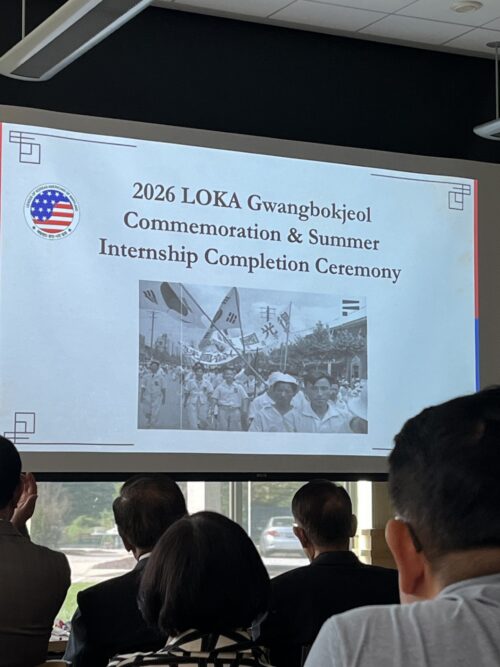
Let us be proud of who we are, where we come from, and the beauty of our identity and culture. Let us remember the strength and pride of our elders and the many hardships and sacrifices they endured and overcame. This day is a time to reflect on those sacrifices and to show pride in who we are and what Korea has accomplished.
I hope that as each year passes, we continue to remember their legacy and pass these stories on to future generations, so that the meaning of Gwangbokjeol is never lost.
